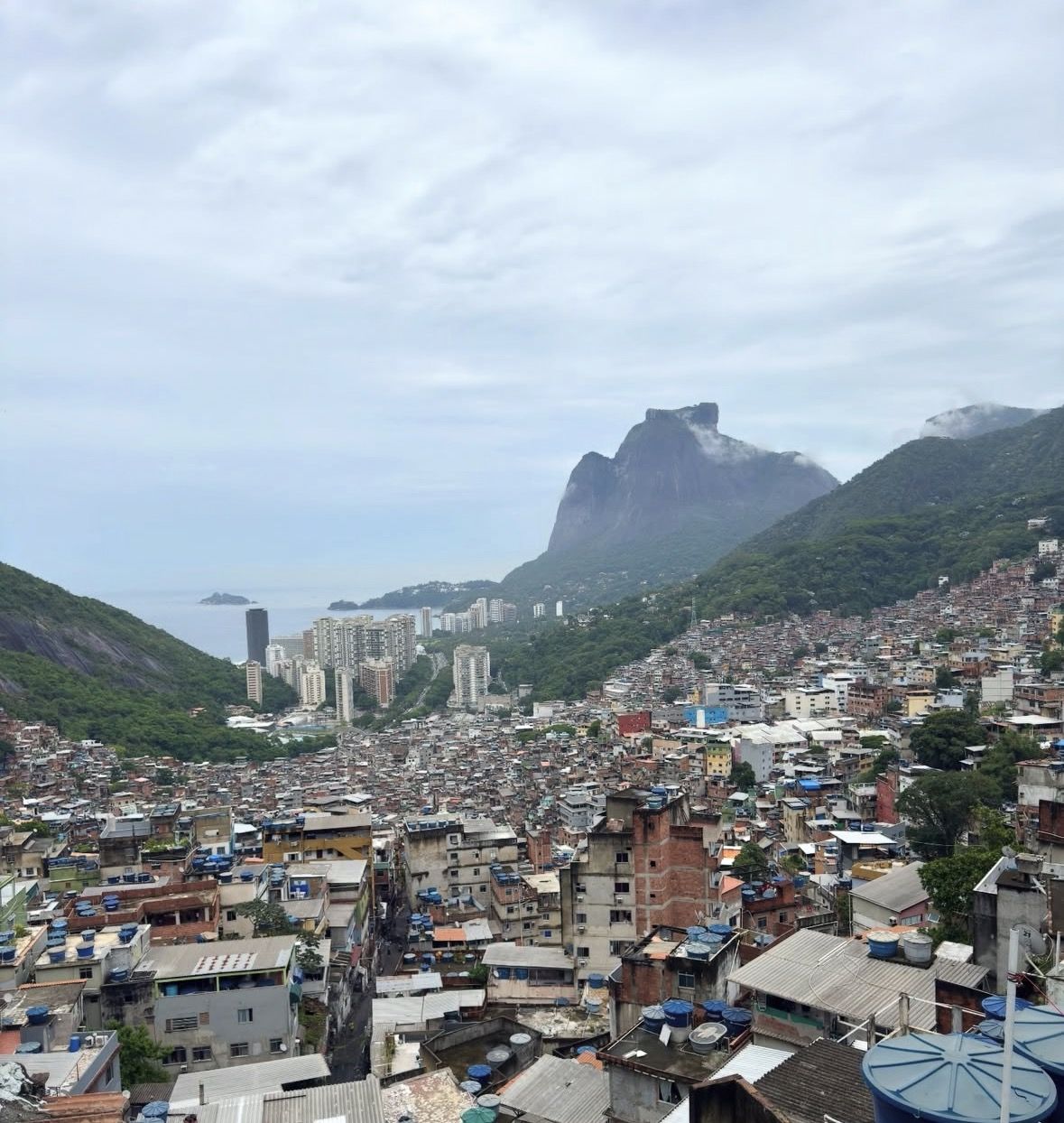
Clinging to the hillsides between São Conrado and Gávea, Rocinha is a city within a city — home to over 70,000 souls and decades of extraordinary human resilience. Its story is one of migration, creativity, struggle, and an indomitable community spirit that draws visitors from every corner of the world.
The land that would become Rocinha was once a small farm — rocinha is actually a diminutive Portuguese word meaning 'little farm' — situated on a steep hillside in the South Zone of Rio de Janeiro. In the early twentieth century, the area was largely undeveloped scrubland separating the wealthy beachside neighborhoods of São Conrado and Gávea. The first documented settlers arrived during the 1920s and 1930s, drawn by the promise of proximity to Rio's booming construction industry and domestic service economy. These pioneers were primarily poor rural migrants from Brazil's impoverished Northeast, particularly from states like Ceará, Paraíba, and Pernambuco, who had fled drought, poverty, and a lack of economic opportunity.
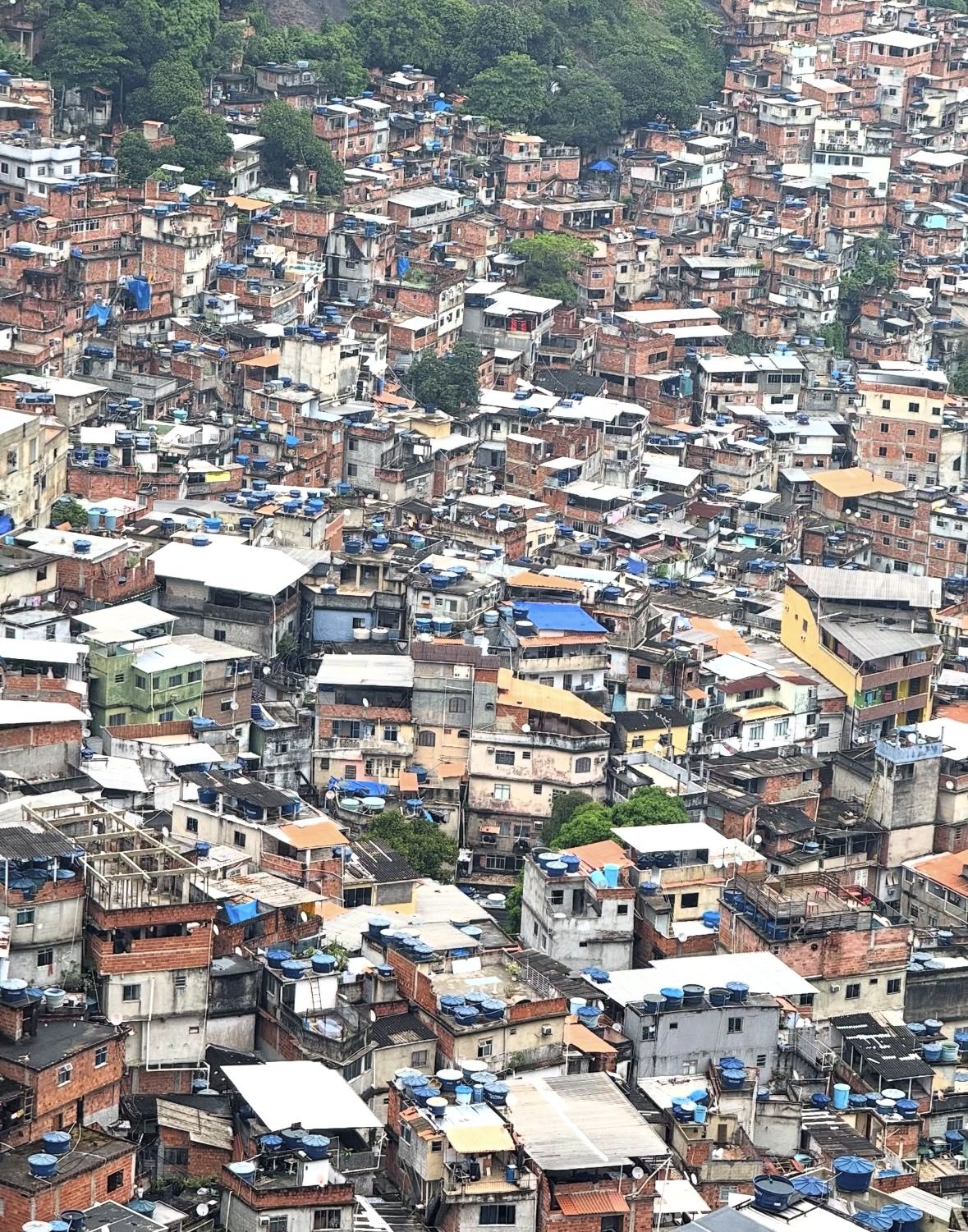
As Rio de Janeiro expanded rapidly throughout the 1940s and 1950s, so did Rocinha. The construction of the Niemeyer Avenue coastal road in the 1950s brought new workers to the region, many of whom settled permanently on the hillside rather than return to their distant hometowns. Brazil's urban migration crisis was accelerating nationwide, and Rio's favelas swelled with newcomers seeking a foothold in the industrial economy. Rocinha's population grew organically and informally, with residents constructing their own brick-and-mortar homes on steep terrain largely without municipal planning or government support. By the late 1960s, what had started as a scattered rural settlement had transformed into a dense, functioning urban neighborhood.
Rocinha's cultural identity is as layered and vibrant as its labyrinthine streets. The community has long been a powerhouse of Afro-Brazilian artistic expression, and its Samba school — G.R.E.S. Unidos da Rocinha, founded in 1962 — remains one of the most beloved in Rio's celebrated Carnival circuit. Carnival in Rocinha is not merely a spectacle for outsiders; it is a deeply communal ritual that unites residents across generations and social divides. The school's elaborate floats, sequined costumes, and thundering percussion reflect the community's extraordinary capacity for creativity and collective effort, achieved often with limited financial resources but boundless determination.
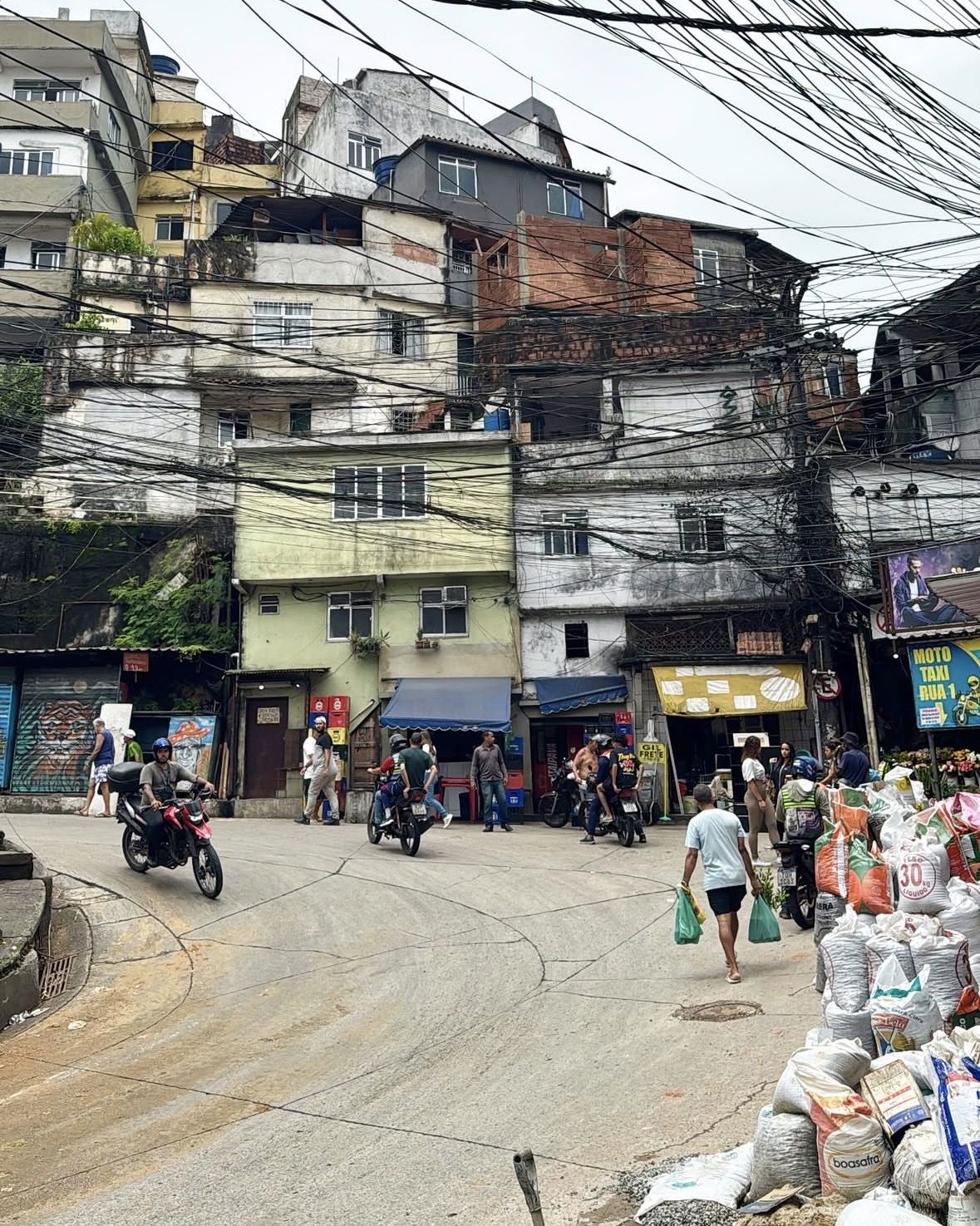
Street art and visual culture flourish throughout Rocinha's winding alleyways and stairways, transforming crumbling concrete into open-air galleries. Local artists have used murals to document community history, celebrate Black and indigenous heritage, and protest social inequality. Beyond visual arts, Rocinha has produced notable musicians, athletes, and entrepreneurs who have gone on to achieve national and international recognition. The community also maintains a robust informal economy, with Rua Um — the favela's main commercial artery — hosting hundreds of shops, street food vendors, banks, pharmacies, and even a local television channel, TV ROC, which broadcasts community news and programming.
Religion plays a central and multifaceted role in daily life in Rocinha. Evangelical Christian churches have proliferated across the hillside since the 1980s, offering social services, counseling, and community gathering spaces alongside spiritual worship. Catholic traditions remain strong as well, with feast days and processions marking the liturgical calendar. Alongside these, Candomblé and Umbanda — Afro-Brazilian spiritual traditions rooted in West African religious practices — are practiced quietly but persistently, reflecting the community's diverse African heritage. This religious pluralism, sometimes tense but ultimately coexistent, is a defining characteristic of Rocinha's social fabric and speaks to the broader complexity of Brazilian cultural identity.
For much of its history, Rocinha was effectively controlled by drug trafficking factions, most notably the Amigos dos Amigos (ADA) cartel. Violence, extortion, and the constant presence of armed groups defined daily life for residents who had little recourse to formal police protection. This began to change in November 2011, when the Brazilian government launched a major military and police pacification operation, sending thousands of security forces — including navy troops and armored vehicles — into Rocinha in a highly publicized takeover. A Unidade de Polícia Pacificadora (UPP) was installed, marking the state's most significant assertion of authority over the community in its history.
The pacification era opened Rocinha to a surge of international tourism, with guided favela tours becoming one of Rio de Janeiro's most controversial yet popular travel experiences. Tour operators began offering structured visits that took small groups through Rua Um, up to the community's highest viewpoints overlooking the Atlantic Ocean and the São Conrado beach, and into local businesses and cultural spaces. Proponents argued that ethical, community-benefiting tourism injected vital income into the local economy and challenged outsider stereotypes about favela life. Critics, including some residents, raised concerns about voyeurism and the commodification of poverty. The debate continues, but responsible tour operators working directly with community guides have helped shift the balance.
Rocinha gained renewed global attention in the lead-up to the 2014 FIFA World Cup and the 2016 Rio Olympic Games, as Brazil sought to project a modern, inclusive image to the world. Infrastructure investments reached parts of the community, and international journalists and documentary filmmakers descended on the hillside. However, the post-Olympics period also brought economic recession and a partial withdrawal of state security presence, with drug factions reasserting influence in some areas after 2017. This tension between government investment and chronic neglect, between global visibility and local vulnerability, remains central to understanding Rocinha's complex and evolving story.
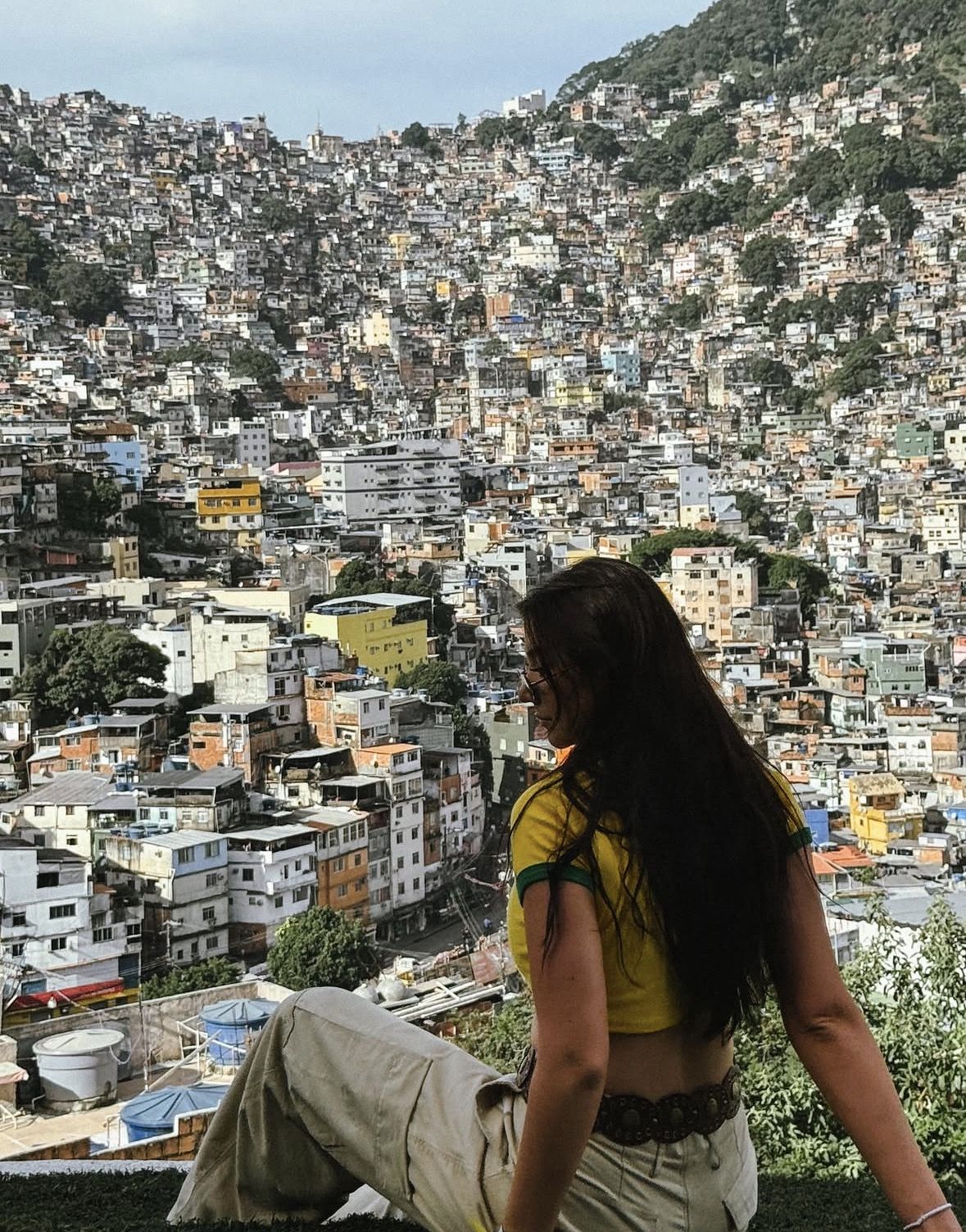
Today, Rocinha is one of the most visited favelas in the world, and that visibility has fostered a growing ecosystem of community-led tourism, social enterprises, and cultural initiatives. Visitors arrive to experience the breathtaking views from the hilltop, taste local street food, explore the chaotic vitality of Rua Um, and attend dance or Portuguese language workshops run by resident instructors. Rocinha also has its own hostels, guesthouses, and restaurants, offering travelers the opportunity to stay overnight and experience the community's rhythms firsthand. Local NGOs provide education, arts programming, and vocational training to young residents, working to expand opportunity from within.
Rocinha remains a place of contradictions — of stunning natural beauty and urban density, of hardship and extraordinary creativity, of global fame and deeply local identity. It is not a theme park or a poverty safari; it is a real, living neighborhood whose residents are proud of what they have built against considerable odds. For travelers willing to engage respectfully and thoughtfully, a guided visit to Rocinha offers one of the most authentic and emotionally resonant urban experiences anywhere in South America. Come with curiosity, an open heart, and a willingness to listen — and Rocinha will show you a side of Rio de Janeiro that no beach or postcard ever could.
Ready to Experience It Yourself?
There is no better way to understand Rocinha's extraordinary story than to walk its streets with a knowledgeable, community-connected guide. Our carefully vetted tour partners work directly with local residents, ensuring your visit is ethical, safe, and genuinely enriching for the community. Browse available tours, check real traveler reviews, and secure your spot — an unforgettable Rio de Janeiro experience is waiting for you.
Book Your Tour Now